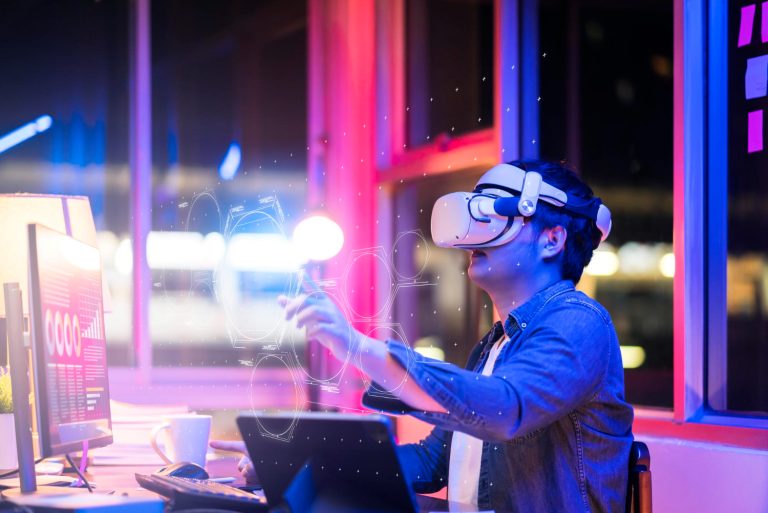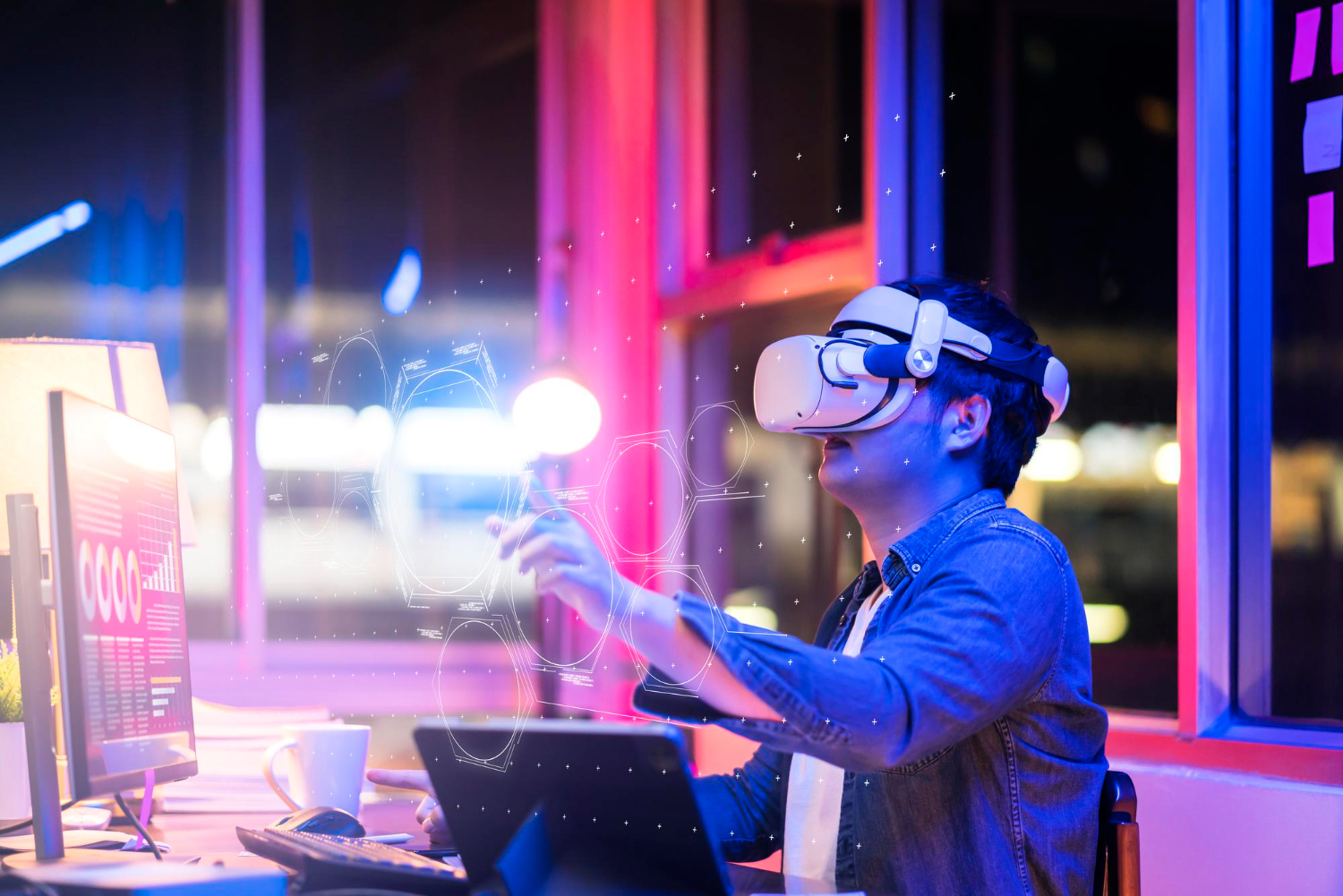
Technology is no longer just about gadgets — it’s about transformation. From the way we work and communicate to how we shop, learn, and relax, innovation has become deeply woven into daily routines. The rise of smart devices, artificial intelligence (AI), and automation has ushered in an era where convenience meets intelligence. Let’s explore how technology is reshaping modern living and what the future holds for a smarter world.
The Rise of the Smart Home
One of the most visible changes in our lives comes from the smart home revolution. Smart homes use connected devices and sensors to automate routine tasks — improving comfort, energy efficiency, and security.
Imagine waking up to lights that adjust to natural sunlight, coffee brewing automatically, and your thermostat setting the perfect temperature. Devices like smart speakers, robotic vacuum cleaners, and smart locks are making this futuristic lifestyle a reality.
Even energy use is getting smarter — with home systems learning your habits and reducing unnecessary power consumption. This not only saves money but also supports a more sustainable lifestyle.
Artificial Intelligence in Daily Life
AI is no longer confined to research labs or tech companies. It’s in our smartphones, cars, and even our social media feeds. AI helps personalize user experiences — suggesting the next song to play, filtering spam emails, or helping doctors detect diseases faster.
Virtual assistants like Siri, Alexa, and Google Assistant use natural language processing to make human–machine interaction more seamless. Meanwhile, AI-powered cameras improve photo quality automatically, and self-driving cars are transforming the idea of transportation safety.
In Korea and beyond, AI startups are integrating these tools into sectors like healthcare, education, and e-commerce — proving that smart innovation is truly becoming mainstream.
The Power of 5G Connectivity
Speed and connectivity define the digital age. The rollout of 5G networks has made internet speeds faster than ever, enabling real-time communication and supporting data-heavy applications like cloud gaming and virtual reality (VR).
For businesses, 5G means smoother operations, remote collaboration, and efficient use of connected devices (IoT). For consumers, it means seamless video streaming, lag-free gaming, and enhanced smart city experiences.
This technology is also fueling advancements in autonomous vehicles, telemedicine, and remote work, bridging the gap between physical and digital worlds.
The Digital Workplace Revolution
The workplace has undergone one of the most dramatic transformations in recent history. Technology has redefined how — and where — people work. Tools like Zoom, Slack, and Microsoft Teams have made remote collaboration efficient and interactive.
Cloud-based storage allows global teams to access files instantly, while automation handles repetitive tasks so employees can focus on creativity and strategy. Even small businesses now use AI analytics to understand market trends and make smarter decisions.
In essence, the modern workplace is not just digital — it’s dynamic, flexible, and data-driven.
Technology and Health: A Smarter Approach
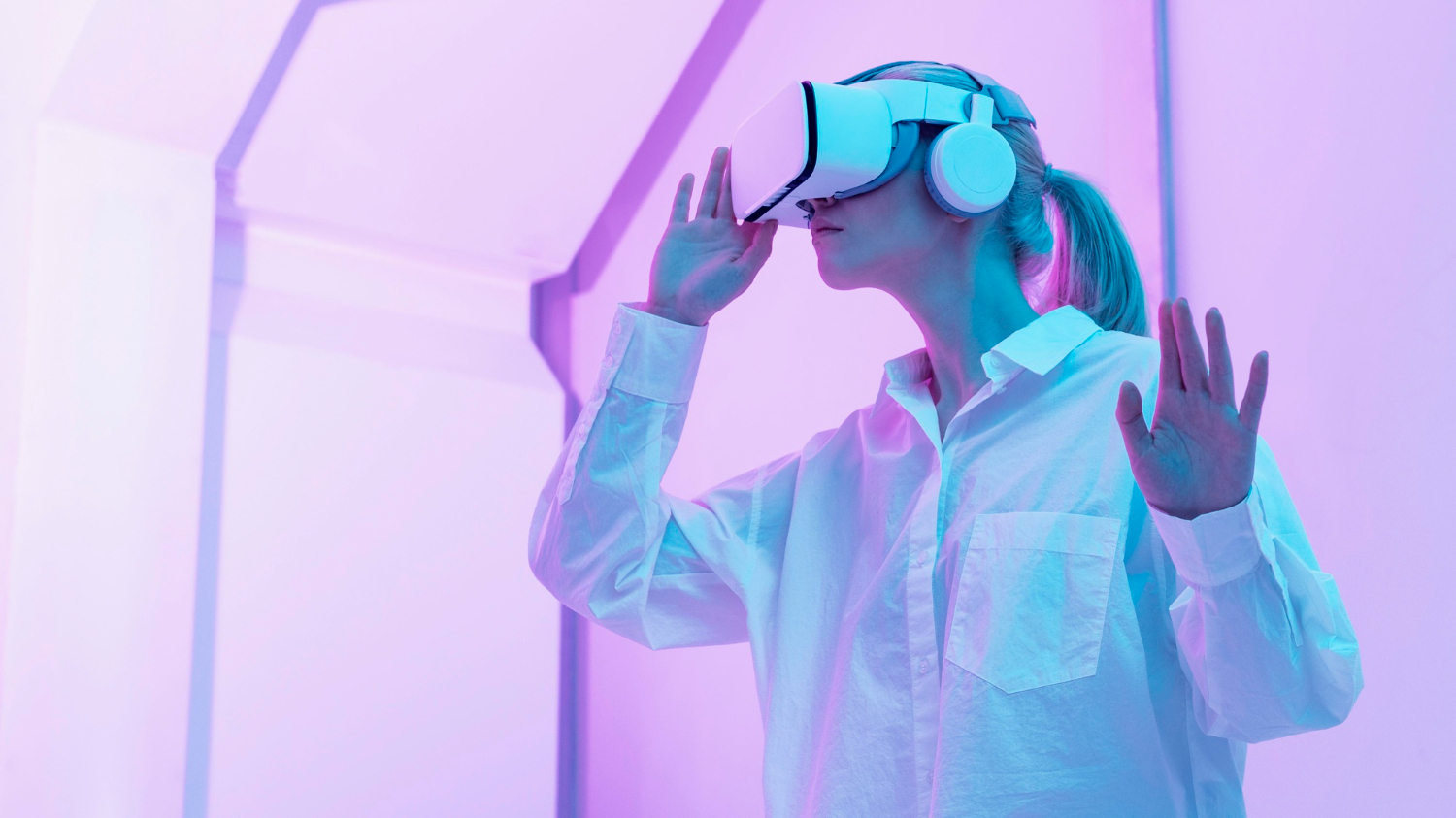
One of the most promising applications of modern tech lies in healthcare. Wearable devices monitor heart rate, sleep, and activity levels, helping users track fitness goals. Telemedicine platforms connect patients with doctors instantly, breaking geographical barriers.
Advanced diagnostic systems powered by AI can now detect diseases at earlier stages with higher accuracy. For example, AI algorithms are being trained to spot early signs of cancer or heart disease from scans, potentially saving lives through early intervention.
Challenges in a Connected World
While technology enhances convenience, it also raises challenges. Data privacy, cybersecurity, and screen addiction have become pressing concerns. The more connected our devices become, the greater the risk of breaches or misuse of personal information.
That’s why building digital awareness and cyber hygiene is vital. Users must protect data through strong passwords, two-factor authentication, and careful management of app permissions.
Balancing innovation with responsibility will be the defining challenge of the next decade.
The Future: Blending Human and Machine Intelligence
As technology continues to evolve, the next frontier lies in blending human creativity with machine intelligence. Concepts like augmented reality (AR), blockchain, and quantum computing are already shaping the future of industries from education to entertainment.
Soon, we may live in cities powered by renewable energy grids, drive AI-assisted vehicles, and experience hyper-personalized learning through digital classrooms. The future isn’t far away — it’s unfolding right now.
Final Thoughts
Technology has become the invisible backbone of modern life. It connects, empowers, and simplifies — yet challenges us to adapt. From smart homes to digital health, tech innovations are helping build a world where intelligence is embedded in every experience.
Embracing this transformation responsibly ensures we don’t just live in a connected world — we thrive in it.
About the Author